
Fifteen years ago, China’s total jewelry sales barely exceeded 100 billion yuan. For most Chinese consumers, jewelry remained a “luxury” item, purchased only on occasions such as weddings or anniversaries. At the time, surveys showed that among the price
Industry: After 15 years, it has entered a period of transformation, upgrading, and structural adjustment.
Fifteen years later, jewelry stores are no longer just “scattered like stars”—they’re everywhere. Jewelry has long since become an everyday adornment, with most people owning far more than a single piece. Take rings, for instance: the trend of stacking them has already left even all ten fingers feeling cramped.
Changes on the consumer side ultimately ripple through to the manufacturing end: faster style updates, smaller batch sizes, and shorter lead times are placing increasingly stringent demands on the flexibility, precision, and level of automation of jewelry‑processing equipment.
Manufacturing: From “Replacing Humans with Machines” to “Process Stability”
When jewelry shifts from “low-frequency luxury consumption” to “high-frequency everyday consumption,” manufacturers no longer face the long-term mass production of a single blockbuster item; instead, they must handle multi‑chain, small‑batch, rapid reorder cycles. Equipment must address not just “replacing human labor,” but also stabilizing the process parameters for wire drawing, chain weaving, welding, stamping, decorative patterning, and annealing—enabling faster changeovers and reducing scrap.
This is also why Lixin Jewelry Technology continues to invest in automated chain weaving and welding equipment: by replacing excessive reliance on skilled workers with replicable machinery and processes, it ensures both production capacity and quality remain under control.
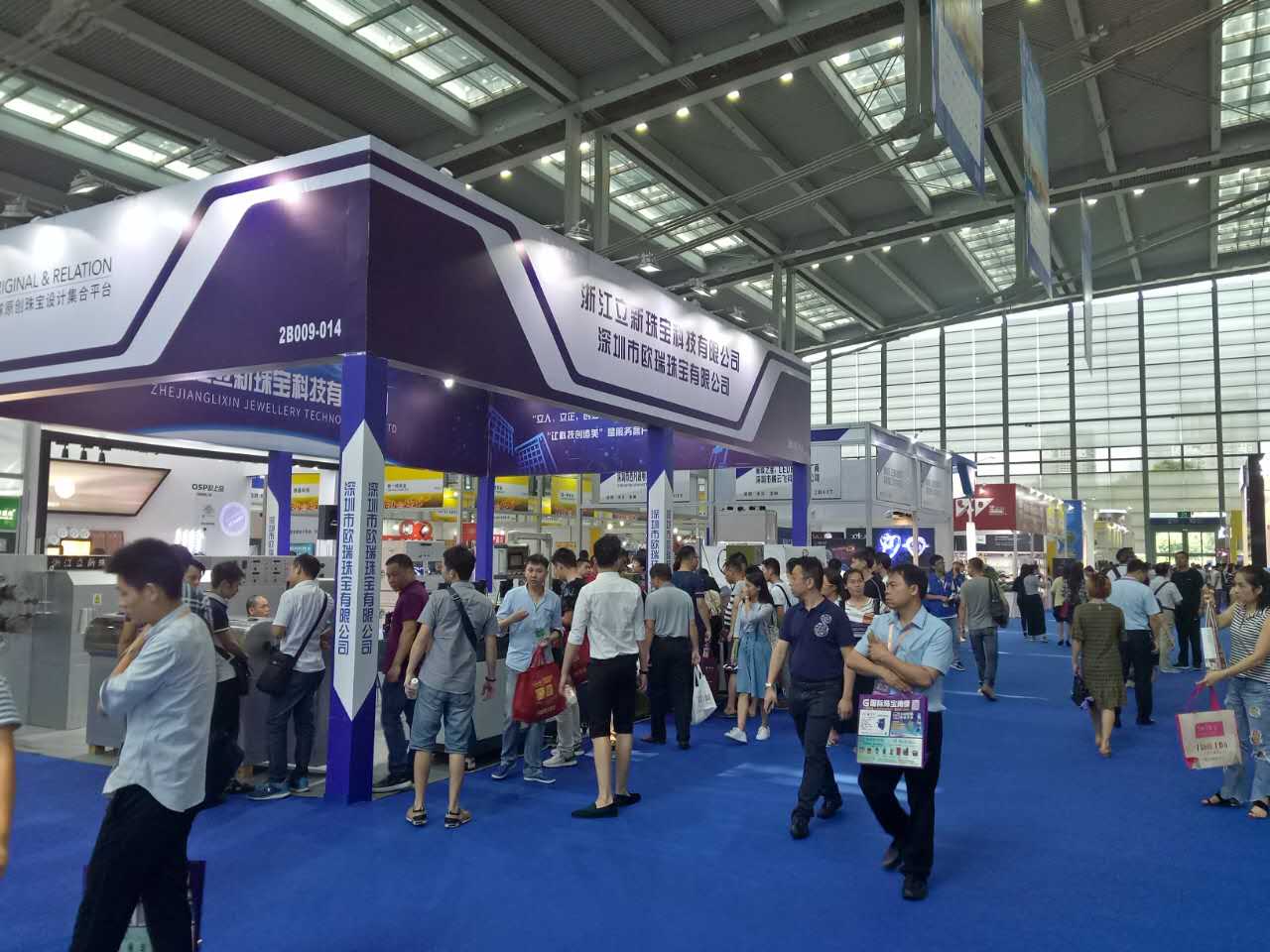
This article is compiled from the original news report, “2018 Shenzhen Jewelry Fair: A Major Boost for the Industry’s Transformation and Upgrading,” and retains the main points and data from the original text.